
Edit Text in WebP Image Online
Use an AI WebP text editor to replace, correct, or remove text in exported WebP images without rebuilding the original design. Upload a WebP, select the old wording, enter the replacement text, and generate a cleaner result while keeping the layout, background, and compressed web-image look as natural as possible.
Upload Your Image
Drag & drop or click to upload
Supports: JPG, PNG, JPEG, WebP (Max 20MB)
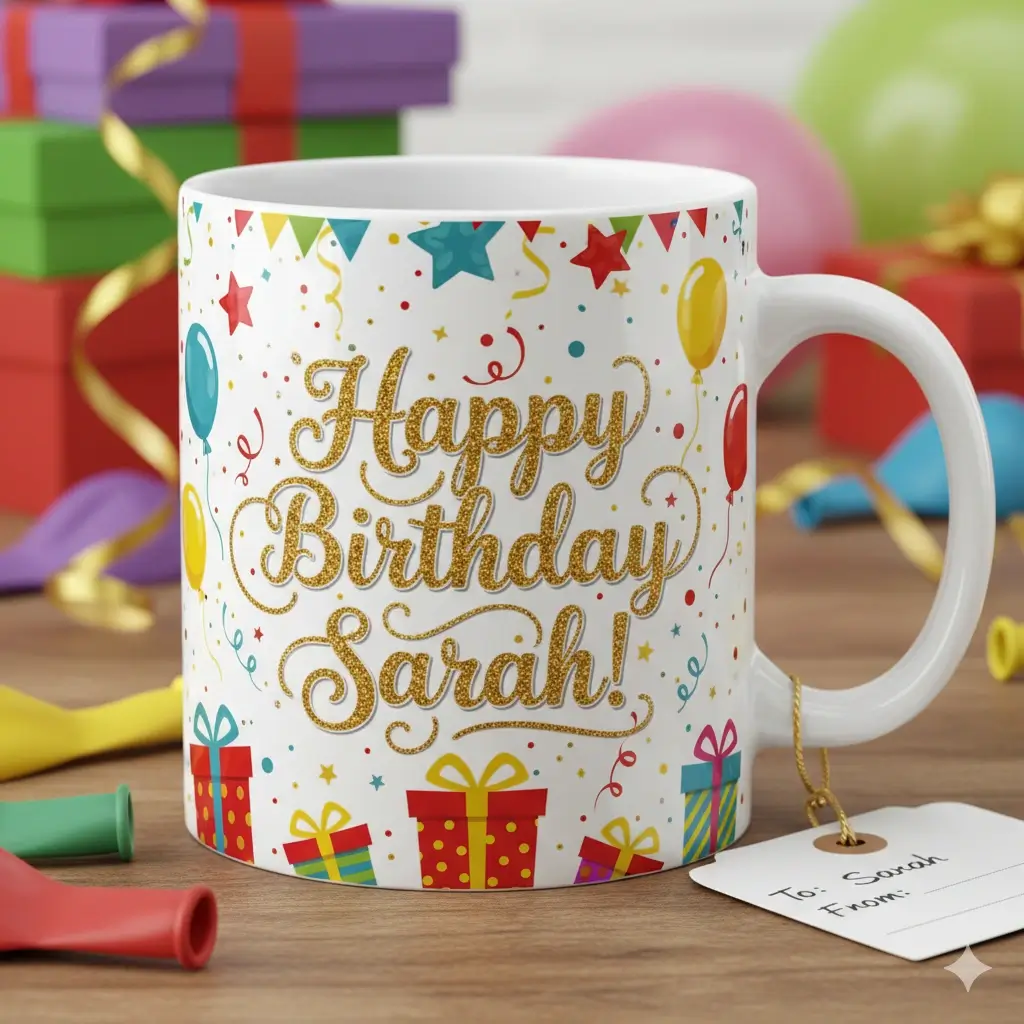
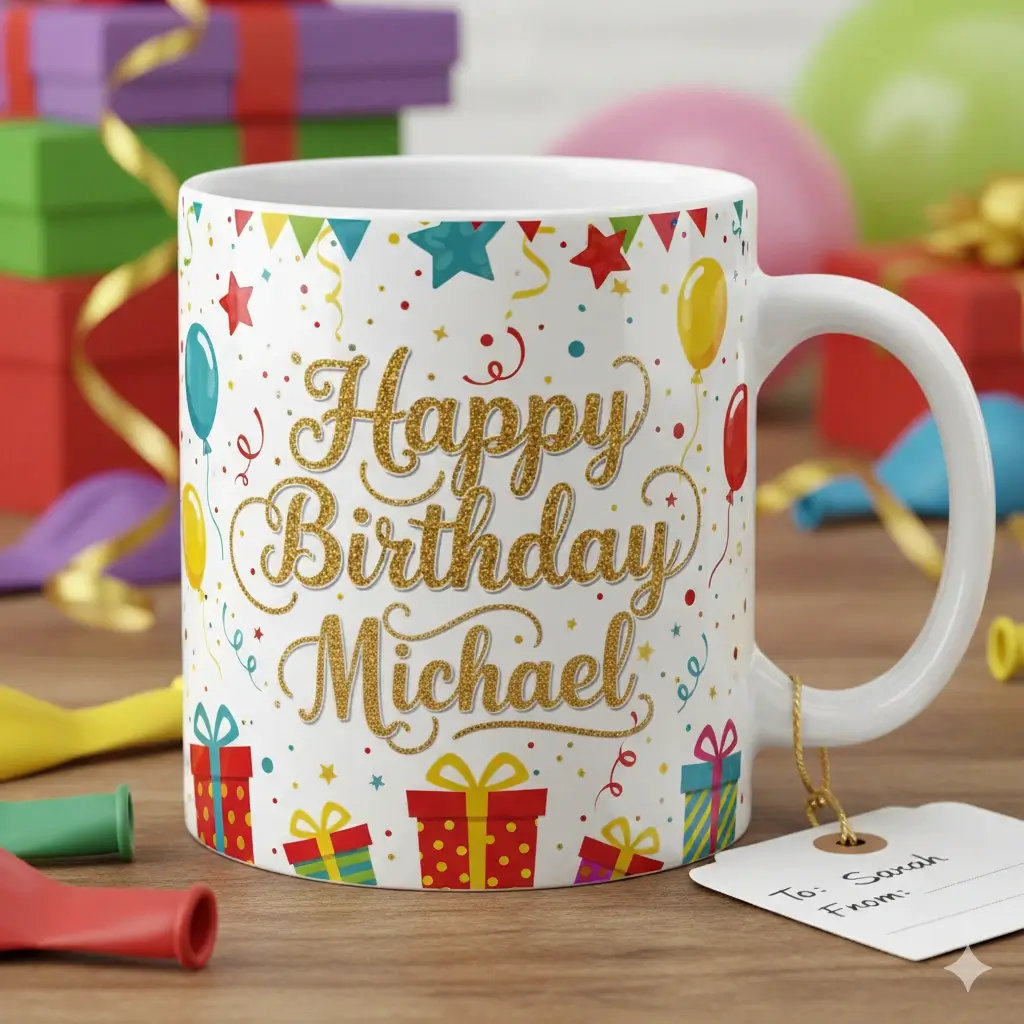
Replace baked-in WebP text instead of covering it with an obvious text box.
Upload a WebP, mark the text area, type the new copy, and download the edited image.
Drag to adjust the text selection area
Edit Text
Your Image Preview
Upload an image to start editing
Processing Your Image...
This usually takes 30-60 seconds
How to Edit Text in WebP Images Online
Upload the WebP Image
Start with the WebP file that already contains the text you need to change. This is useful when the original PSD, Canva, Figma, or design source is gone and the text is already flattened into the exported image.
Select the Text Area and Type New Words
Draw a box around the old text, then enter the replacement. The WebP text editor uses that marked region to understand the surrounding background, original lettering, color, size, spacing, and placement.
Generate and Download the Updated WebP
The AI removes the old text, repairs the selected area, and places the new text back into the image. The goal is a natural WebP edit that looks closer to the original export than a manual overlay.
Edit the WebP you have, even when the editable source is missing
People search for edit text in WebP image online because WebP is often the final web export used in landing pages, product cards, screenshots, and lightweight graphics. The text inside it is no longer live. It has been baked into the pixels. A useful WebP text editor needs to remove the old lettering, rebuild the background, respect compression artifacts, and place the replacement text back into the image in a believable style.
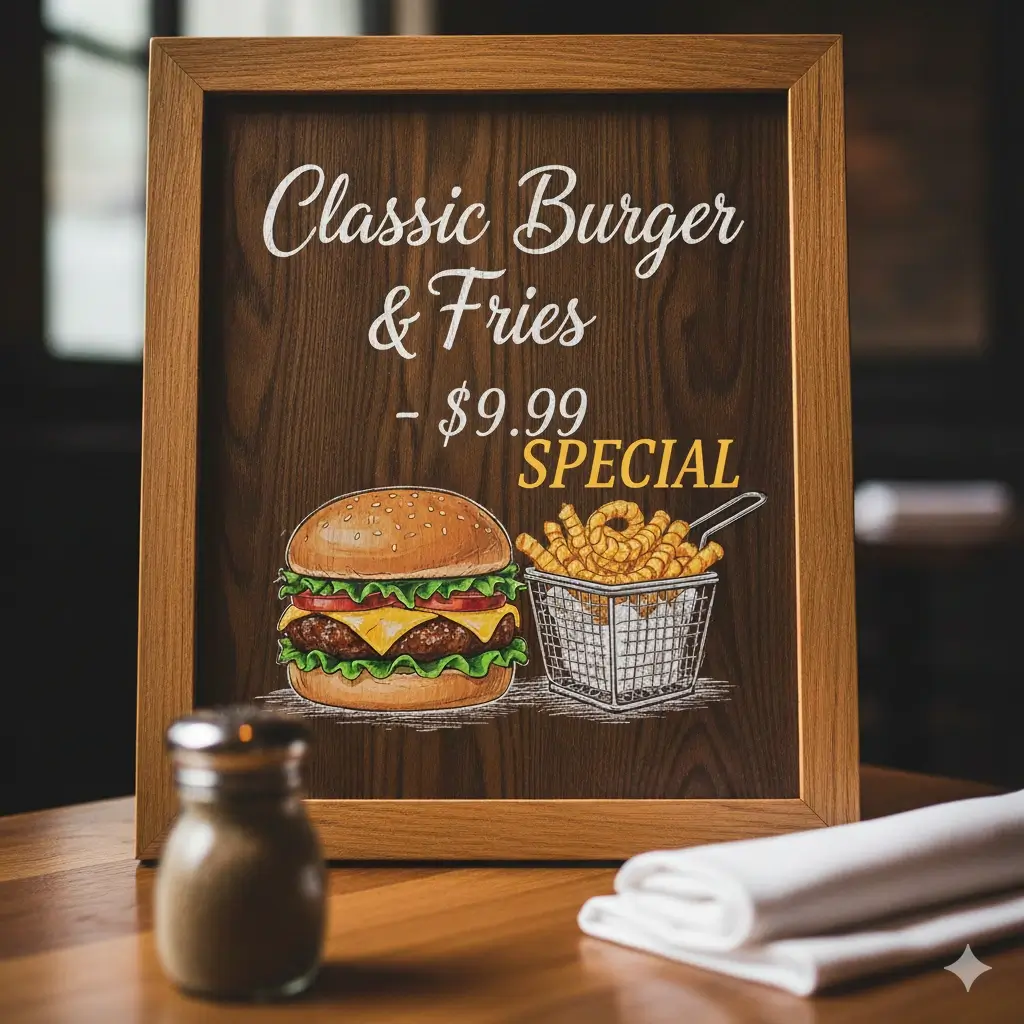
Common WebP Text Editing Examples
These examples match the main reasons people need an online WebP image text editor: fast corrections inside final exported graphics, screenshots, labels, and web-ready assets.
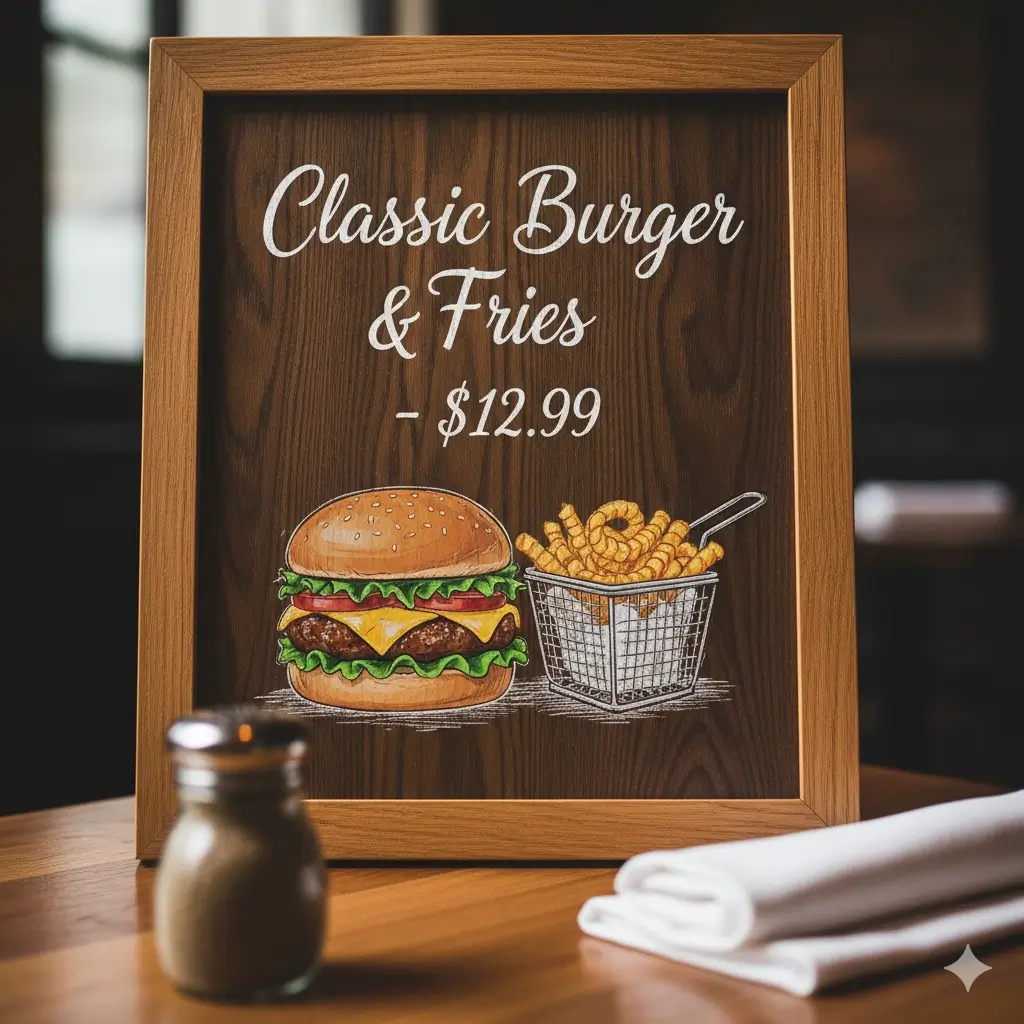
Menu Price WebP Update
Change one price or item name in a menu WebP while keeping the same layout and background.


Sale Graphic Text Replacement
Replace a discount, deadline, or promo line in a WebP banner after the design has already been exported.
Product Label Text Change
Correct label text, flavor names, short claims, or variant wording in a product WebP without rebuilding the mockup.
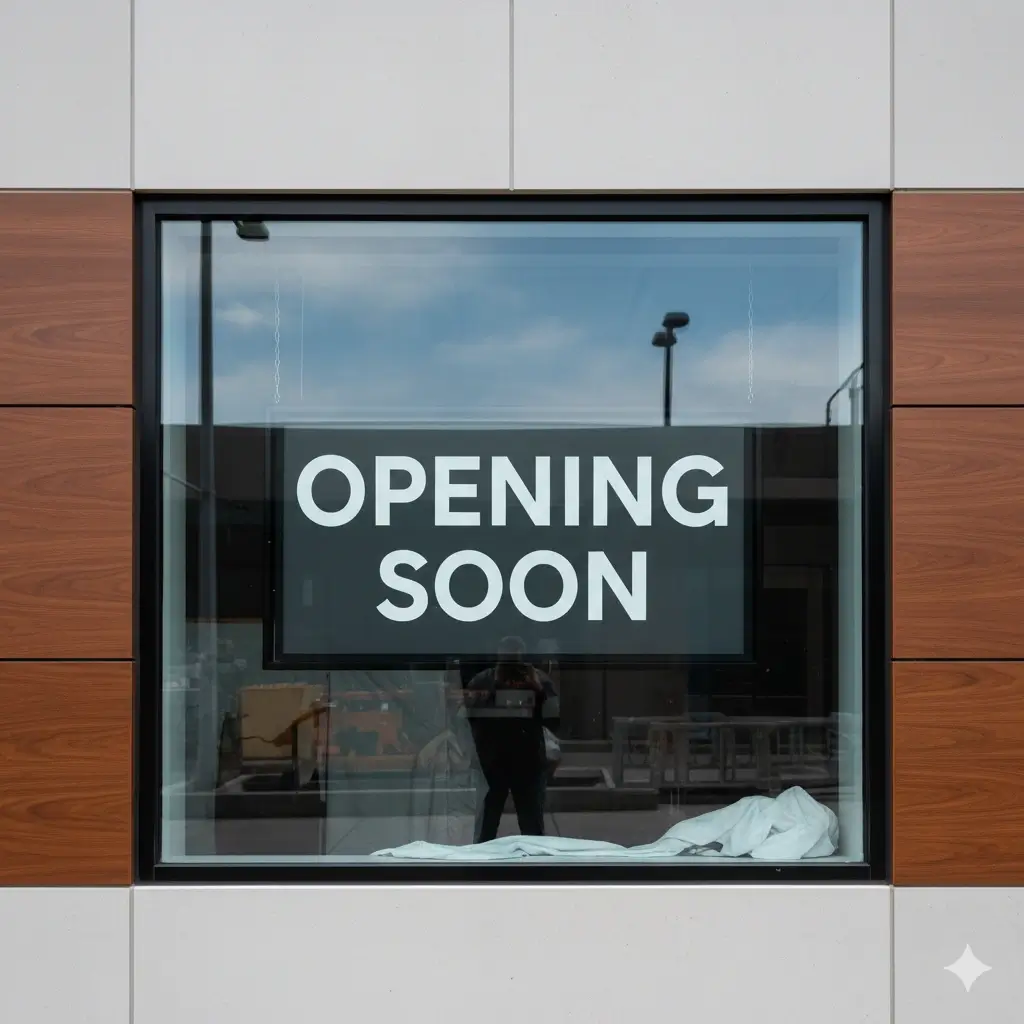
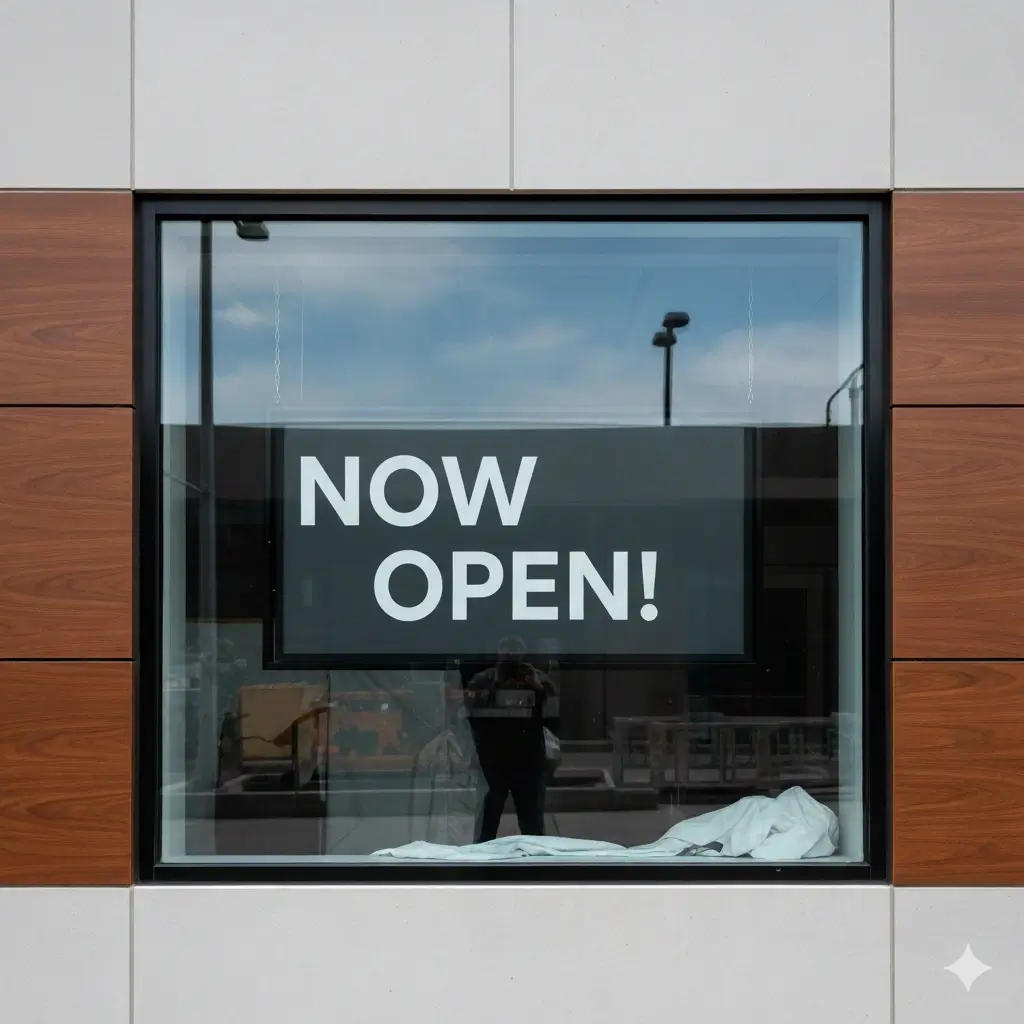
Business Sign WebP Edit
Update short sign text, hours, notices, or announcements in a flattened WebP image.


Property Graphic Text Fix
Refresh a number, status, address line, or price in a marketing WebP before publishing it.


Short Caption Rewrite
Fix a typo or update a short caption in a WebP social image without placing an obvious block over the old text.
What This AI WebP Text Editor Helps You Do
Replace Text in WebP Images
Select existing wording in a WebP image and enter the new text you want. The editor focuses on changing the marked area while leaving the rest of the image alone.
Remove Old Text Before Adding New Text
A convincing WebP text edit starts by removing the old letters and rebuilding the pixels behind them. This is the difference between replacement and a basic overlay.
Keep Font Feel, Size, and Placement Close
Exact font recovery is not always possible from a flattened WebP, but the AI aims to match the original style, weight, color, spacing, alignment, and visual tone.
Handle WebP Compression More Carefully
WebP often carries small-file-size compression choices that affect text edges and nearby details. The workflow tries to keep the edited region coherent with the rest of the export.
Fix Typos, Prices, Dates, and Labels
Most users do not need a full design editor. They need to change one small piece of WebP text quickly and keep the exported image usable.
Support Common Web Image Workflows
The same upload workflow accepts WebP, PNG, JPG, and JPEG files, so you can work with the final image format you actually have.
What Works Best When You Edit Text in WebP
What the AI tries to preserve
- Original layout, spacing, and alignment around the selected text
- Readable edges common in web graphics, labels, and screenshots
- Background colors, gradients, and simple textures behind old text
- Compression continuity near the edited area when possible
- Text color, weight, size, and nearby visual effects
- Readable replacement text that fits naturally in the same space
WebP images that usually perform best
- Clear WebP files with readable text and enough resolution
- Screenshots, menus, product labels, posters, signs, and interface images
- Compressed web assets where the text area is still sharp enough to interpret
- Short replacement text that is similar in length to the original wording
- Simple or moderately detailed backgrounds behind the selected text
- Images without heavy blur, tiny fonts, extreme perspective, or dense shadows
WebP Text Editor vs PNG and JPG Text Editing
Choose the page that matches the exported image you already have. WebP is common for web performance, while PNG and JPG have slightly different editing expectations.
| Format | Best for | Text editing note | Next step |
|---|---|---|---|
| WebP | Modern web images, compressed site assets, screenshots, and exported graphics with smaller file sizes | Useful for web workflows, but visual quality depends on the source export and compression settings. | Current Page |
| PNG | Screenshots, menus, labels, transparent images, UI graphics, and sharp web assets | Often better for crisp text and transparency, but exported PNG text is still usually baked into pixels. | Open PNG Editor |
| JPG / JPEG | Photos, compressed marketing images, product shots, and exported campaign graphics | Compression artifacts can soften letters, so background repair and style matching need extra care. | Open JPG Editor |
Best Use Cases for Editing Text in WebP Images
Menus and Price Lists
Use the WebP text editor when a menu or price list has been exported as a WebP and only one number, item name, or availability note needs to change.
Product Labels and Badges
Edit text on product labels, sale badges, packaging callouts, or simple marketplace assets while keeping the exported WebP usable.
Screenshots and UI Graphics
Replace text in WebP screenshots for documentation, tutorials, support examples, product walkthroughs, and UI mockups without retaking the original capture.
Sale Banners and Social Posts
Change a date, discount, event name, CTA, or headline in a WebP graphic after the design file has already been exported.
Posters, Signs, and Notices
Update short copy in a sign, poster, opening-hours image, event notice, or announcement WebP while preserving the existing visual structure.
Product and Marketplace Images
Correct product names, variant text, badge copy, claims, or small labels in web-ready images when the source mockup is not available.
FAQ: WebP Text Editor Online
Try the AI WebP Text Editor
Upload your WebP, replace the old text, and generate an edited image online without rebuilding the original design.
Why This Workflow Fits WebP Text Changes
Made for final exported web images
Use it when you only have the finished WebP and need to update a small but important piece of text.
Compression context matters
The workflow treats WebP assets as performance-focused web graphics, not just ordinary photos.
Style matching stays central
The goal is not just adding text. The result needs to fit the original font feel, background, alignment, and export context.
Practical for business assets
Menus, labels, banners, screenshots, signs, product graphics, and social visuals are all common WebP editing scenarios.